
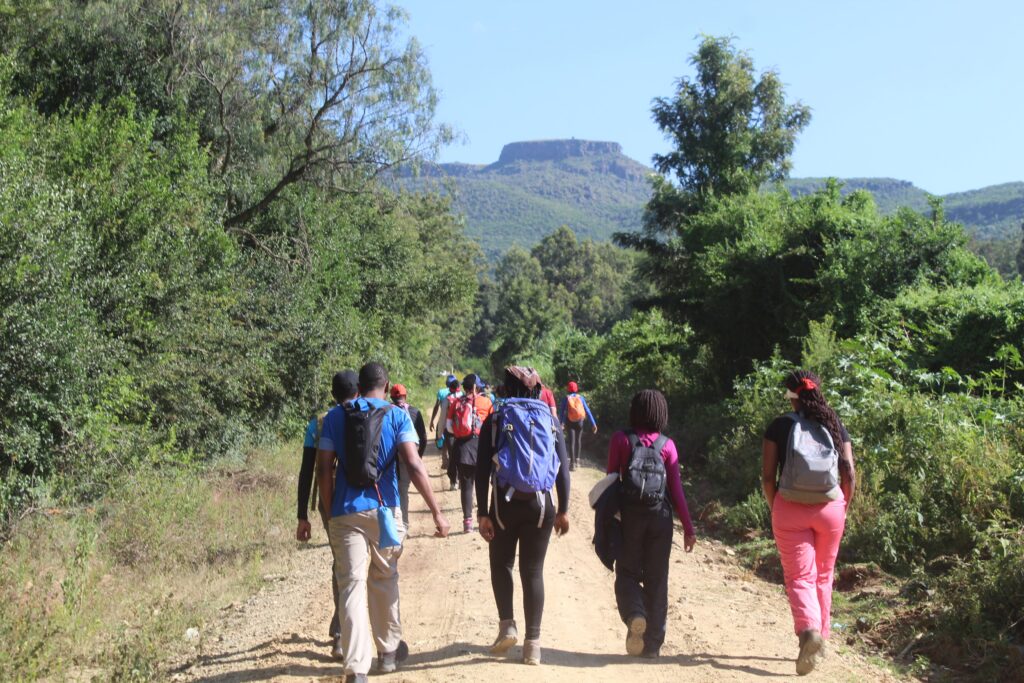
There are far more people interested in hiking than there are people actually doing it.
That gap matters.
Because most people don’t avoid hiking due to laziness or lack of interest. They avoid it because somewhere deep down, the idea feels intimidating long before it feels exciting.
They imagine:
- being unable to keep up
- embarrassing themselves in front of fitter people
- struggling halfway through the trail
- looking inexperienced
- getting too tired
- or simply not belonging there
- embarrassing themselves in front of fitter people
And social media makes this worse.
Most hiking content online shows:
- dramatic summits
- elite fitness
- expensive gear
- perfectly posed photos
Very few people show:
- the heavy breathing
- the self-doubt
- the fear before the first hike
- or the reality that many hikers started out completely unsure of themselves
So people quietly convince themselves:
“Maybe hiking just isn’t for me.”
But in most cases, that isn’t true.
For many people dealing with beginner hiking fears, the hardest part isn’t the trail itself; it’s starting.
Most people don’t fear hiking. They fear embarrassment, failure, discomfort, or not fitting in.
The Real Reasons People Avoid Hiking
Most people think they fear hiking.
They don’t.
They fear what hiking might expose.
Fear of Looking Weak
A lot of beginners worry about:
- being too slow
- needing too many breaks
- struggling uphill
- or becoming “the weak one” in the group
What they don’t realize is that even experienced hikers struggle sometimes. Especially on difficult trails or at high altitude.
Hiking has a way of humbling everyone eventually.
Fear of Being Left Behind
This is one of the biggest unspoken fears.
People imagine:
- everyone walking too fast
- getting isolated on the trail
- or feeling like a burden
And honestly, badly organized hiking groups sometimes create this problem.
But good hiking communities understand something important:
that people move differently.
The best group hikes are paced around the group, not around the fastest person’s ego.
Fear of Physical Suffering
A lot of people assume hiking means nonstop suffering.
And to be fair, some hikes are genuinely hard.
But beginner hikes are not supposed to feel like survival missions.
The problem is many people skip straight into difficult hikes because:
- they underestimate mountains
- they follow friends blindly
- or they want to “prove” something
That usually backfires.
Fear of Not Fitting In
This one is deeper than most people admit.
People quietly wonder:
- “Will everyone already know each other?”
- “Will I look awkward?”
- “Will I feel out of place?”
Especially for solo hikers.
But here’s the irony:
many people on group hikes are also nervous first-timers pretending to look calm.
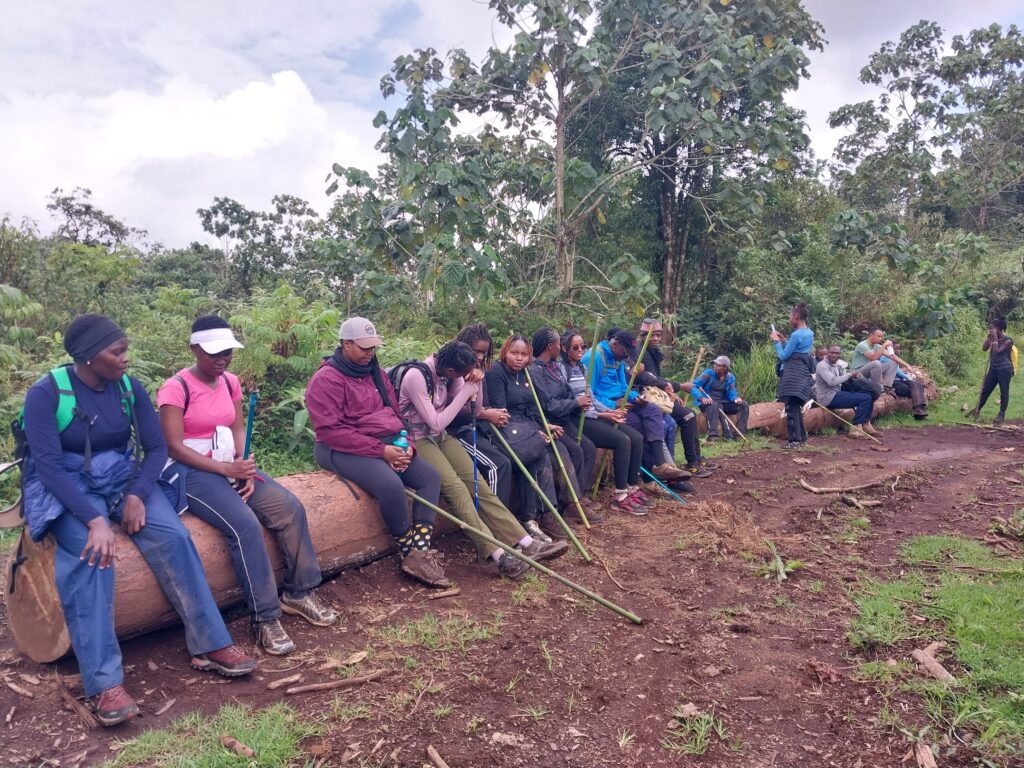
Social Media Has Distorted Hiking
A lot of hiking content online makes the outdoors feel exclusive.
Everyone looks:
- ultra-fit
- perfectly dressed
- endlessly energetic
What you rarely see:
- tired faces
- muddy shoes
- people struggling uphill
- awkward breaks
- emotional moments
- or hikers questioning their life choices halfway through a climb
Real hiking is messier than it is depicted on Instagram.
And honestly, that’s part of why people end up loving it. After all, where will all the juicy hiking stories later come from. You know, the ones that almost sound unbelievable.
Instagram
✓ Perfect summits
✓ Expensive gear
✓ Fitness models
✓ Perfect photos
Reality
✓ Heavy breathing
✓ Muddy shoes
✓ Rest breaks
✓ Regular people
The Biggest Lies Beginners Tell Themselves
Lie #1
“I Need To Get Fit Before I Start Hiking”
This is probably the biggest excuse people use.
And yes — sometimes it’s an excuse.
Hiking itself is one of the things that helps people become fitter. Waiting until you feel “fully ready” often becomes a permanent delay tactic.
Start smaller instead.
Lie #2
“Everyone Else Will Be Experienced”
False.
Most hiking communities constantly attract:
- beginners
- returning hikers
- people restarting fitness
- people trying something new
You are rarely as behind as you think.
Lie #3
“I’ll Slow Everyone Down”
This depends entirely on the group.
A good hiking community:
- regroups regularly
- supports slower hikers
- normalizes breaks
- manages pacing properly
A bad hiking group turns the trail into a competition.
Those are two completely different experiences.
Lie #4
“I Need Expensive Gear”
You really don’t.
Most beginners overestimate how much equipment they need.
For your first hikes, what matters most is:
- decent shoes
- water
- layered clothing
- snacks
- and willingness to try
You do not need to cosplay as a professional mountaineer.
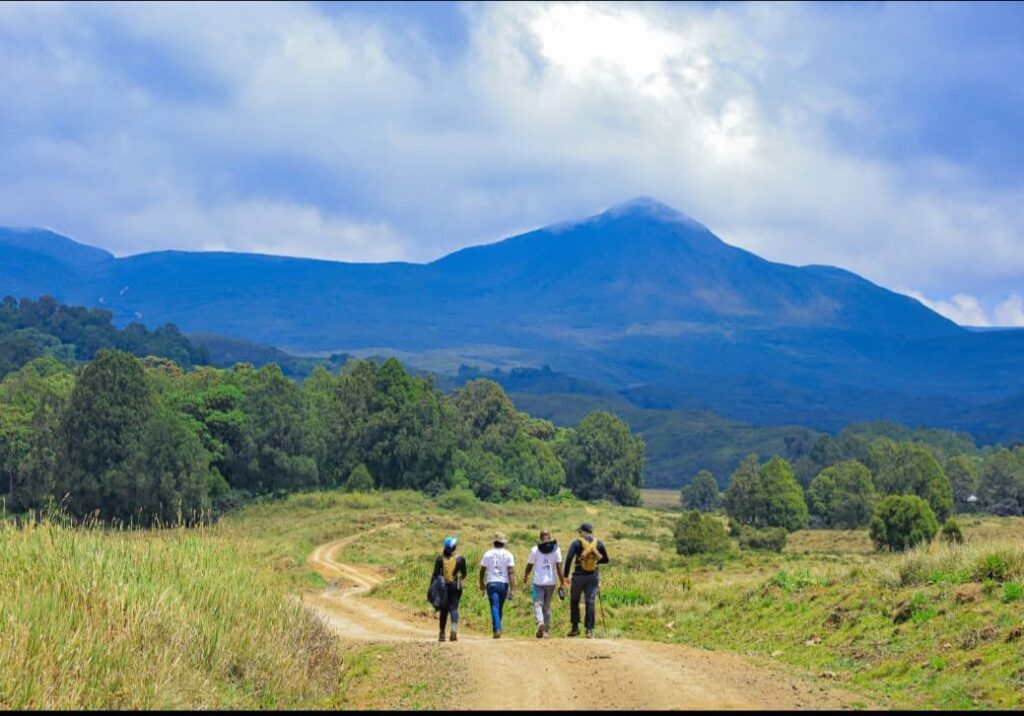
What Your First Hike Actually Feels Like
Let’s be honest.
Your first hike probably won’t feel smooth.
There will likely be moments where:
- your legs burn
- you question your decisions
- you wonder how far is left
- and everyone suddenly becomes annoyingly quiet uphill
But something interesting also happens.
At some point:
- your body settles
- your breathing adjusts
- your mind becomes calmer
- and the trail starts feeling less hostile
Then the scenery hits you properly.
And usually by the end, most beginners aren’t thinking: “That was easy.”
They’re thinking:
“I honestly didn’t think I could do that.”
That feeling changes people more than they expect.
How To Start Hiking Without Feeling Overwhelmed
1. Stop Trying To “Look Like A Hiker”
You do not need:
- expensive gear
- elite fitness
- or outdoor vocabulary
You need:
- curiosity
- preparation
- and realistic expectations
That’s enough.
2. Choose Beginner-Friendly Trails
Start with an easy win. Confidence grows much faster than motivation when people experience success early.
This matters more than motivation.
Starting with difficult hikes too early is one of the fastest ways to kill enthusiasm.
Start with:
- Zaina Falls
- Kihuri Forest
- Ngong Hills
- Njigari Forest
- beginner-friendly group hikes
Build confidence gradually.
3. Hike With The Right People
This is huge.
The wrong hiking group can make hiking feel miserable.
The right one:
- encourages beginners
- manages pace properly
- supports slower hikers
- and creates a relaxed environment
A good group can completely change someone’s first hiking experience.
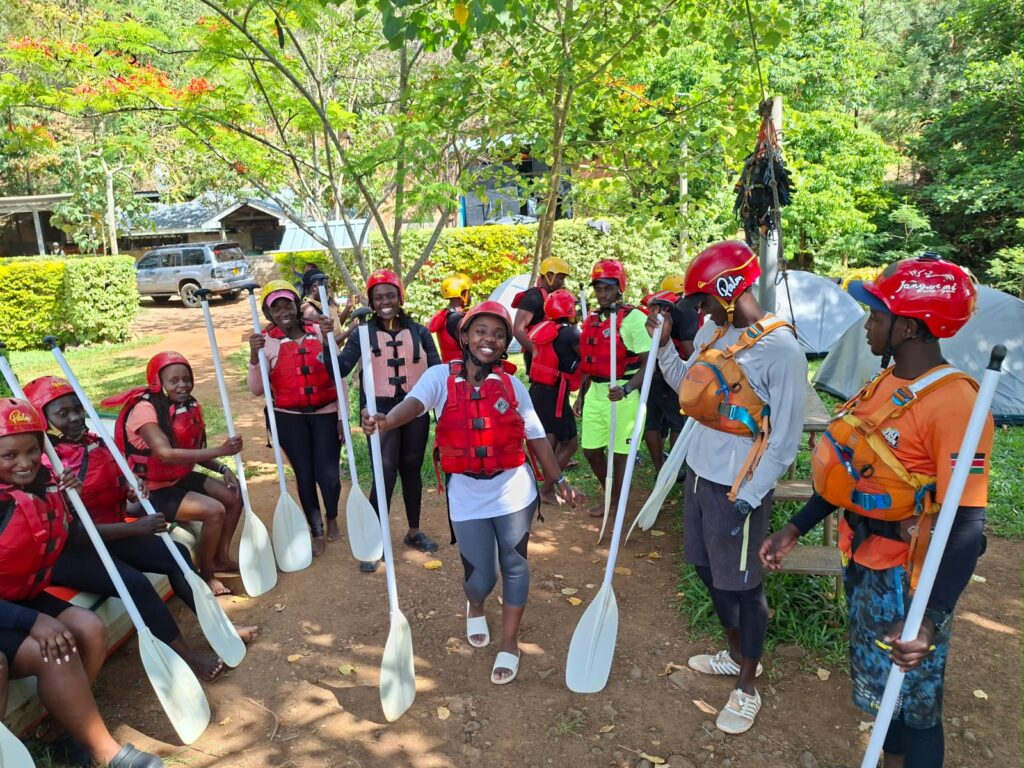
4. Focus On Consistency, Not Performance
Your first goal should not be:
- speed
- summits
- elevation
- or proving fitness
Your first goal should be:
getting comfortable outdoors.
That foundation matters more than ego-driven milestones.
5. Expect Some Discomfort
This is important.
Many beginners think discomfort means:
“I’m bad at hiking.”
Not true.
Hiking naturally includes:
- fatigue
- uphill suffering
- unpredictable weather
- sore legs
- and mental resistance
That’s part of the experience.
The goal is not to avoid discomfort completely.
The goal is to learn that you can move through it.
Why Hiking Changes More Than Fitness
A lot of people begin hiking because they want:
- exercise
- weight loss
- adventure
- or a weekend activity
But many stay because of what hiking quietly does to their mind.
Over time, hiking builds:
- patience
- confidence
- resilience
- emotional clarity
- and discomfort tolerance
It also removes people from constant noise:
- notifications
- pressure
- routines
- screens
- endless mental clutter
And somewhere between the silence, movement, exhaustion, and scenery, people often reconnect with parts of themselves they had ignored for too long.
That’s why hiking becomes emotional for some people.
Not because it’s easy.
But because it changes how they feel afterward.
Final Thoughts
Most people never start hiking because they believe they need:
- fitness
- confidence
- expensive gear
- or experience first
In reality, almost every experienced hiker once started unsure, intimidated, and unprepared.
The people who eventually fall in love with hiking are usually not the fearless ones.
They’re the ones who started despite the fear.
If hiking has been sitting quietly in the back of your mind for a while, maybe the issue isn’t whether you’re capable.
Maybe it’s simply time to begin.
Ready To Start?
Explore TukoActive’s beginner-friendly hikes and start with a trail designed for first-timers.
Because confidence rarely comes before action.
Usually, it comes after.