
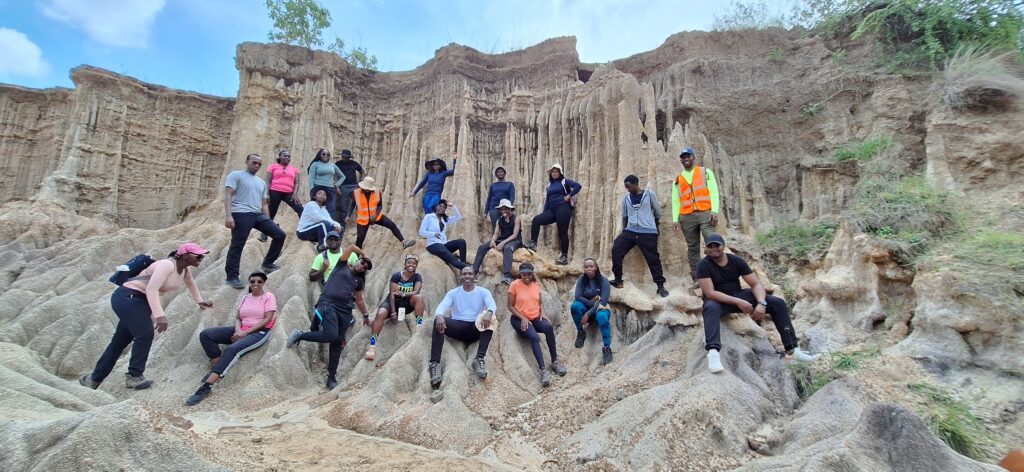
There’s a strange thing that happens when people hike consistently.
At first, they think they’re only improving physically.
Maybe they:
- breathe better uphill
- recover faster
- stop fearing steep climbs
- or finally finish trails that once felt impossible
But beneath all that, something quieter is happening.
Their confidence starts changing too.
Not loudly.
Not dramatically.
Slowly.
And usually without them realizing it at first.
Because hiking builds a kind of confidence most people never get from motivational quotes, productivity hacks, or online self-improvement content.
It builds earned confidence.
The kind that comes from repeatedly doing difficult things and discovering:
“I can actually handle more than I thought.”
Most People Think Confidence Comes First
This is one of the biggest misconceptions people carry.
They think:
- confident people try hard things
- confident people take risks
- confident people join hikes alone
- confident people push through discomfort easily
But in reality, confidence is usually built afterward.
Not before.
Most hikers don’t start out confident.
They start out:
- nervous
- unsure
- intimidated
- and quietly doubting themselves
Especially on their first hikes.
They worry about:
- fitness
- pace
- embarrassment
- looking inexperienced
- or not belonging
But then something happens.
They survive the hike.
Then another.
Then another.
And slowly the brain starts updating its own story.
Hiking Forces You To Keep Small Promises To Yourself
This is one of the most overlooked parts of hiking.
Every hike becomes a tiny negotiation between:
- discomfort
- and your decision to continue anyway
You tell yourself:
“Let me just get to that corner.”
Then:
“Let me just finish this section.”
Then somehow:
you finish the entire hike.
That repetition matters psychologically.
Because every time you continue despite discomfort, your brain collects evidence that:
“I don’t quit as easily as I thought.”
And confidence is built more from evidence than from motivation.
Hiking Quietly Changes How You Handle Difficulty
One of the strangest things about hiking is how trail lessons leak into normal life.
At first, you only notice physical changes.
But eventually:
- difficult situations feel less overwhelming
- discomfort feels more manageable
- uncertainty feels less threatening
Not because life became easier.
But because your tolerance for challenge has expanded.
When you’ve:
- climbed for hours while exhausted
- walked through cold rain
- pushed through altitude fatigue
- or finished trails you almost gave up on
you stop panicking so quickly when other things become difficult.
Your brain remembers:
“I’ve handled hard things before.”
That matters more than people realize.
Hiking Exposes The Stories You Tell Yourself
Trails are honest.
Especially hard trails.
Because eventually hiking strips away performance.
At some point:
- everyone gets tired
- everyone struggles
- everyone becomes uncomfortable
And when that happens, your internal dialogue becomes visible.
Some people instantly spiral:
- “I can’t do this.”
- “I’m too slow.”
- “Everyone is better than me.”
Others learn to manage themselves differently:
- “One step at a time.”
- “Slow is okay.”
- “Just keep moving.”
That shift matters far beyond hiking.
Because confidence is not the absence of struggle.
It’s your ability to remain steady during it.
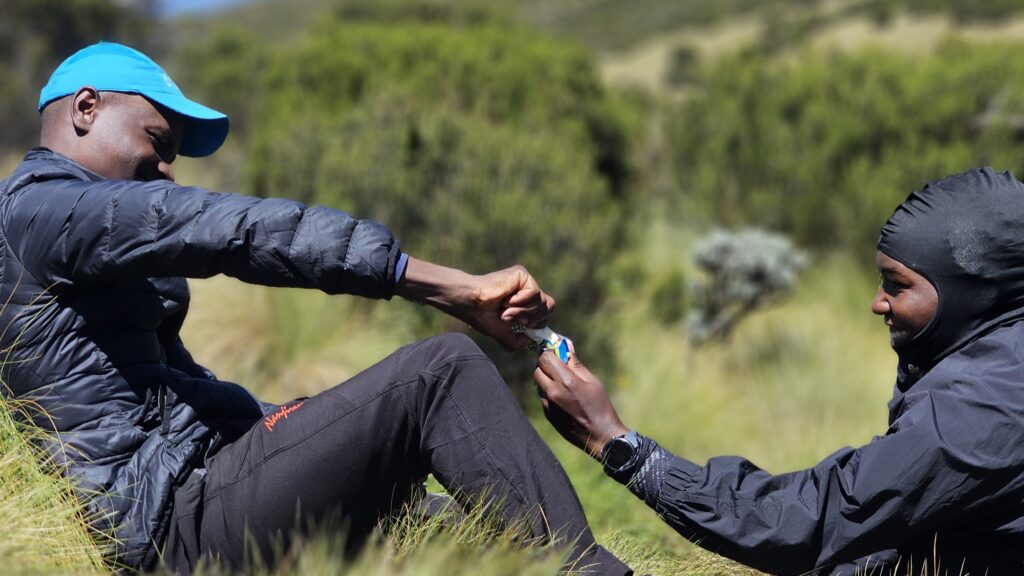
Group Hiking Builds Social Confidence Too
This part surprises many people.
Especially people who join hikes alone.
Hiking communities create a strange kind of social environment because people interact differently outdoors.
There’s less performance.
Less posturing.
Less pressure to appear polished.
People:
- sweat together
- struggle together
- rest together
- laugh through discomfort together
And shared discomfort tends to break social barriers quickly.
Over time, many hikers become:
- more socially open
- more comfortable meeting new people
- less self-conscious
- and more willing to participate fully instead of observing quietly from the sidelines
That’s not accidental.
Humans bond faster through shared challenge.
The Confidence Hiking Builds Feels Different
Because it’s real.
Not performative.
Not borrowed from social media validation.
Not dependent on likes, compliments, or external approval.
It comes from accumulated personal proof.
You remember:
- the hike you almost skipped
- the summit you thought you couldn’t reach
- the trail you finished while doubting yourself the entire time
And somewhere along the way, your self-image changes.
Not into:
“I’m fearless.”
But into:
“I can handle discomfort better than I used to.”
That’s far more valuable.
Why Nature Accelerates This Process
Modern life keeps people mentally overloaded:
- notifications
- comparison
- noise
- pressure
- constant stimulation
Hiking interrupts that.
While in the outdoors, your brain simplifies.
Your focus narrows toward:
- movement
- breathing
- weather
- terrain
- presence
And because of that, many people finally hear themselves clearly again.
That clarity often creates:
- emotional reset
- mental calm
- perspective shifts
- and greater self-awareness
People think hiking only changes fitness.
Sometimes it changes identity.
Confidence Usually Grows Quietly
This is important.
Most confidence growth is subtle.
You may first notice it when:
- you volunteer for harder hikes
- you stop overthinking group situations
- you recover faster from setbacks
- you become less intimidated by challenges
- or you trust yourself more generally
And often, other people notice before you do.
Because confidence built slowly tends to feel natural instead of forced.
Final Thoughts
Hiking rarely transforms people overnight.
But over time, it changes something important.
It teaches people:
- they can survive discomfort
- they can adapt
- they can keep going while uncertain
- and they are usually capable of more than they assumed
That lesson slowly reshapes confidence from the inside out.
Not loudly.
Not dramatically.
Just steadily.
And honestly, that kind of confidence tends to last longer than the fake, performative version most people chase online.
Ready To Start Your Own Hiking Journey?
Explore TukoActive’s beginner-friendly hikes and discover what happens when you stop waiting to feel “ready” before starting.
Because confidence usually doesn’t arrive first.
Action does.
FAQs
Can hiking improve confidence?
Yes. Hiking helps build confidence by exposing people to manageable physical and mental challenges that gradually improve resilience and self-belief.
Why does hiking feel mentally refreshing?
Hiking reduces mental overload by removing constant distractions and allowing people to focus on movement, nature, and the present moment.
Is hiking good for anxiety and stress?
Many people find hiking helps reduce stress and mental fatigue due to physical movement, outdoor exposure, and reduced screen stimulation.
Do beginner hikers struggle emotionally too?
Absolutely. Many beginners experience self-doubt, intimidation, or fear before and during hikes. This is far more common than most people admit.
Can hiking change your mindset?
Over time, hiking can improve resilience, discomfort tolerance, patience, and emotional confidence by repeatedly exposing people to challenge and recovery.