Planning a trek? Discover exactly what to pack for a hike in Kenya with our expert-approved checklist. Avoid overpacking and stay safe on the trails. Read more!
Introduction
Kenya’s diverse terrain, from the lush Kihuri Forest to the rugged Dragon’s Teeth, offers breathtaking views but unpredictable weather. Many hikers either carry too much or forget the essentials, leading to discomfort or safety risks. This guide provides a definitive what to pack for a hike in Kenya list, ensuring you are prepared for everything from high-altitude chills to tropical sun. Whether you are a beginner or a seasoned climber, having the right gear is the first step toward a successful adventure.
The Essential Hiking Gear Checklist for Kenyan Trails
The key to comfort on Kenyan trails is the “Three-Layer System,” which allows you to adjust to temperature swings common in the highlands. Your clothing should prioritize moisture-wicking materials over cotton to keep you dry and warm.
- Base Layers: At least two long-sleeve thermal shirts and breathable T-shirts to manage sweat.
- Insulation: Two soft jackets or fleeces for mid-layer warmth.
- Outer Layer: A waterproof summit jacket that is both breathable and insulated, featuring a sturdy hood.
- Lower Body: Waterproof summit pants for extreme conditions and at least two pairs of standard hiking pants.
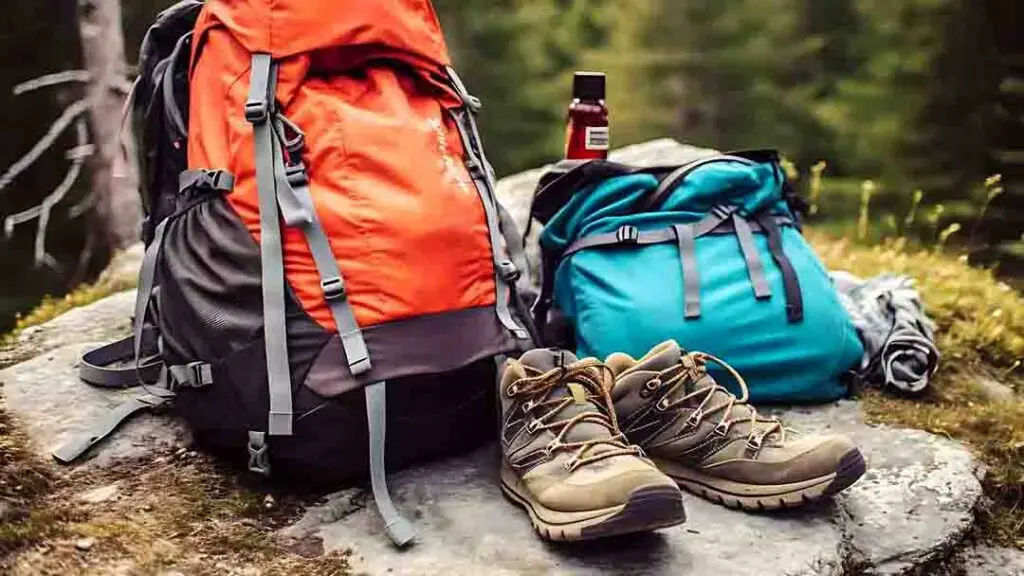
- Footwear: Sturdy, waterproof hiking boots are essential for trails like Rurimeria. Pair these with at least five pairs of thick wool or synthetic socks to prevent blisters.
Accessories and Technical Equipment
Small items often make the biggest difference in your hiking experience. For technical climbs like Mt. Kenya or the Aberdares traverse, these accessories are mandatory.
- Head and Hands: Bring a brimmed hat for sun protection and a knit hat (Marvin) or balaclava for cold mornings. Don’t forget waterproof summit gloves and a lighter pair for lower elevations.
- Hydration: A water bladder (Camelbak type) with a 2–3 liter capacity is highly recommended to stay hydrated without stopping.
- Tools: A headlamp with extra batteries is vital for pre-dawn starts, and collapsible trekking poles can significantly reduce strain on your knees during descents.
The “TukoActive Pro-Tips”: Packing for Comfort and Safety
At TukoActive, we believe in being prepared for the “what-ifs.” While our hikes include local guides and sometimes armed wardens, your personal gear is your first line of defense.
- The Daypack (20L–35L): Choose a pack that fits comfortably and use dry bags or covers to protect your electronics from sudden mountain rain.
- Safety & Hygiene: Always carry a rain poncho, sunglasses, and personal items like Arimis or Vaseline for chafing.
- Preparedness: Review our TukoActive Terms & Conditions to understand your responsibility for personal health and readiness before hitting the trail.
Conclusion
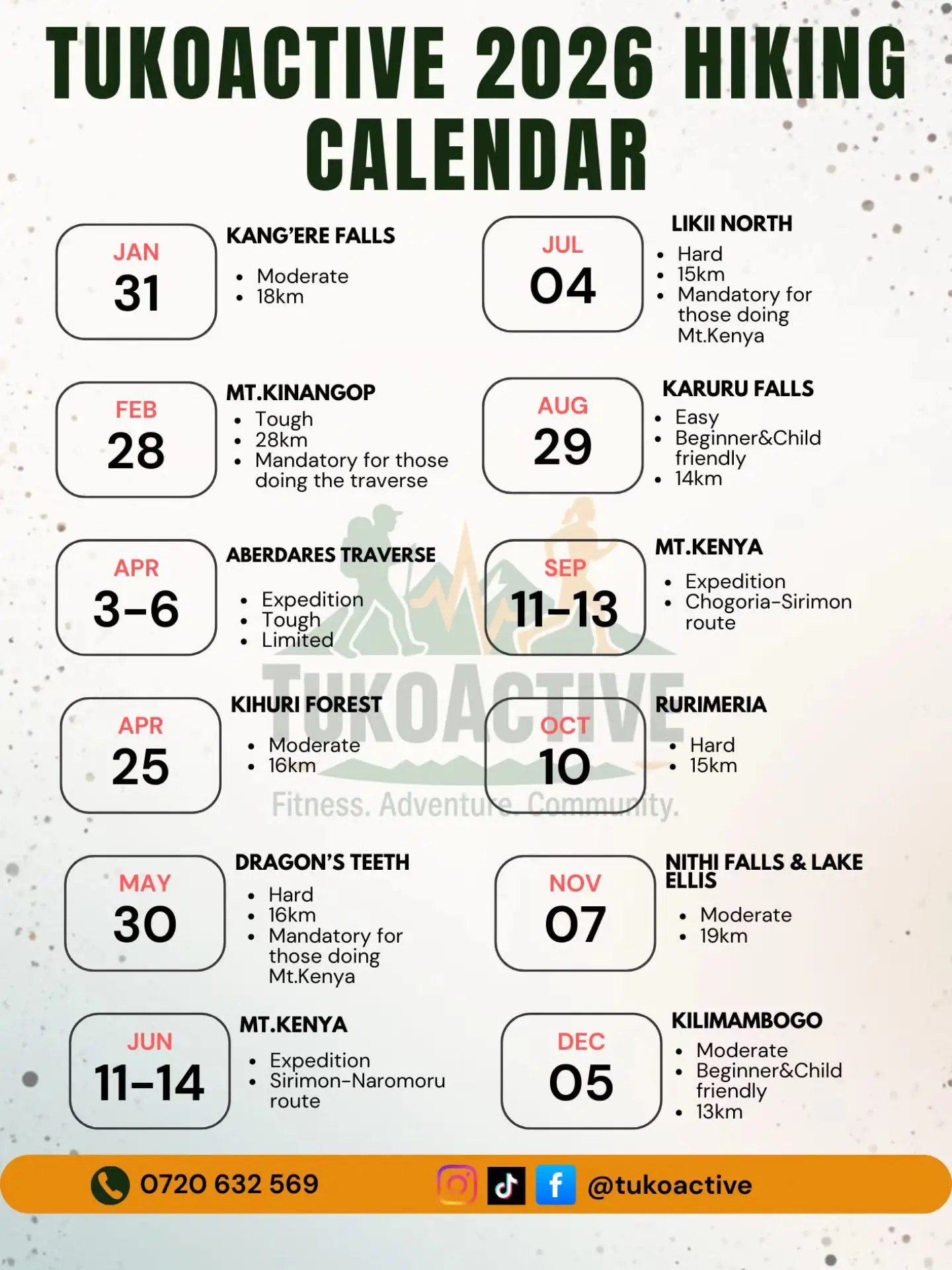
Packing the right gear is the difference between a grueling trek and an unforgettable adventure. Whether you’re heading to the beginner-friendly Karuru Falls or preparing for a multi-day expedition to the Mt. Kenya summit, following this checklist ensures you stay “Active” and safe. Don’t leave your comfort to chance—double-check your kit before every trip. Ready to hit the trails? [Download our printable PDF checklist here] and join our next scheduled adventure on the2026 Hiking Calendar!.